SECTOR SNAPSHOT

Where should you focus

High-impact upgrades by sector.

Australia is home to more than a million commercial buildings6 — from neighbourhood retail outlets to multi-storey office towers.

Together, they account for around a quarter of the nation’s total electricity consumption. 7

Energy use within buildings can vary significantly.
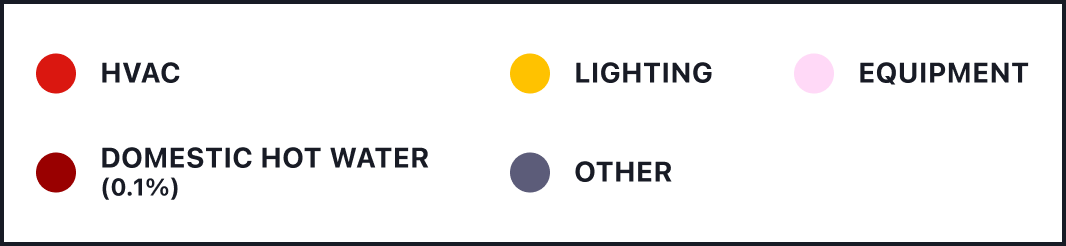
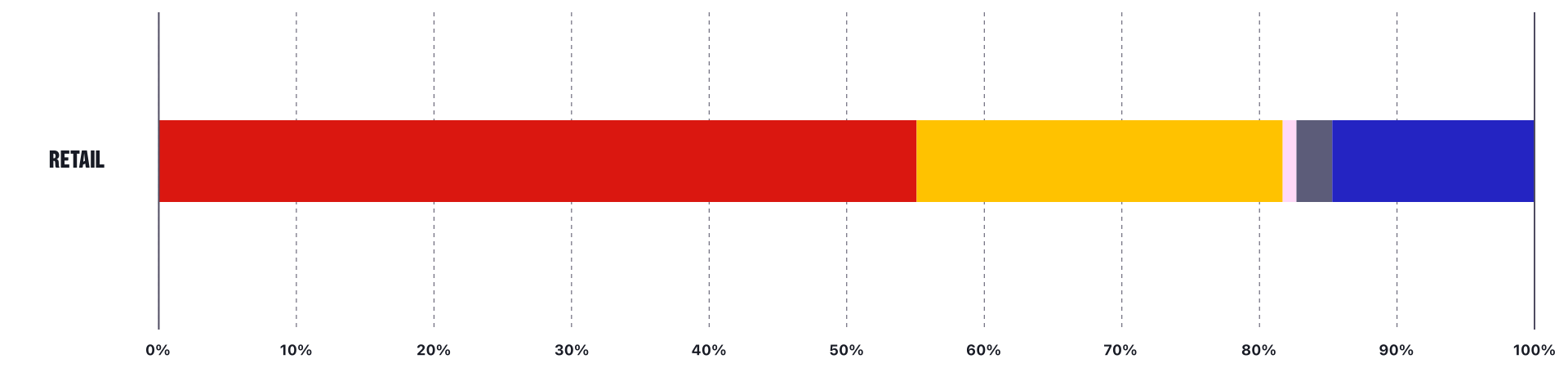
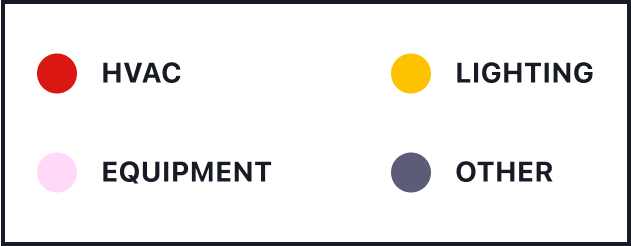
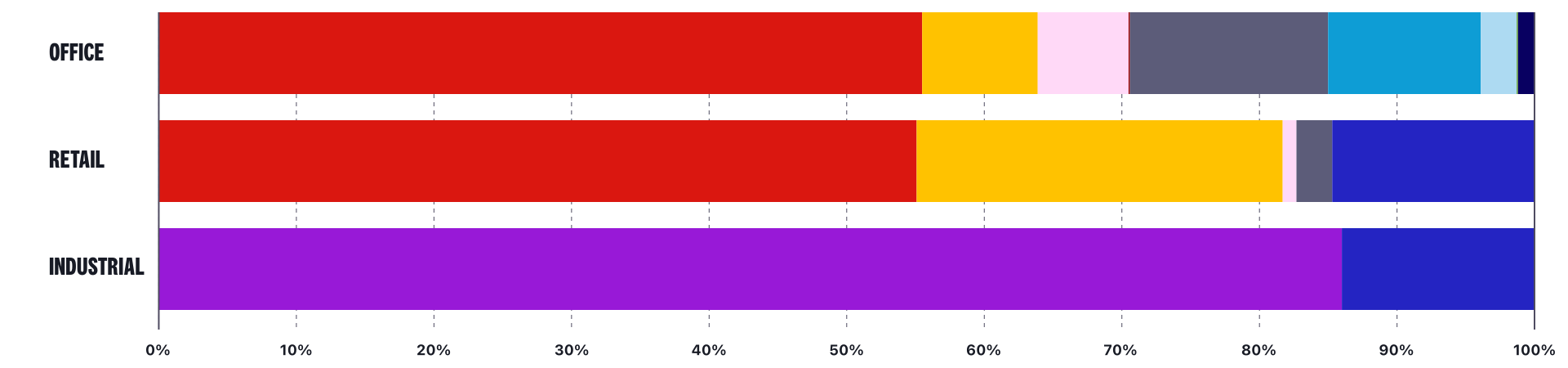
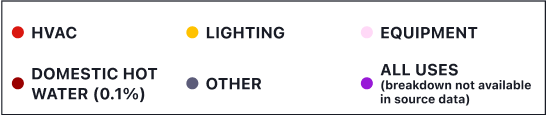
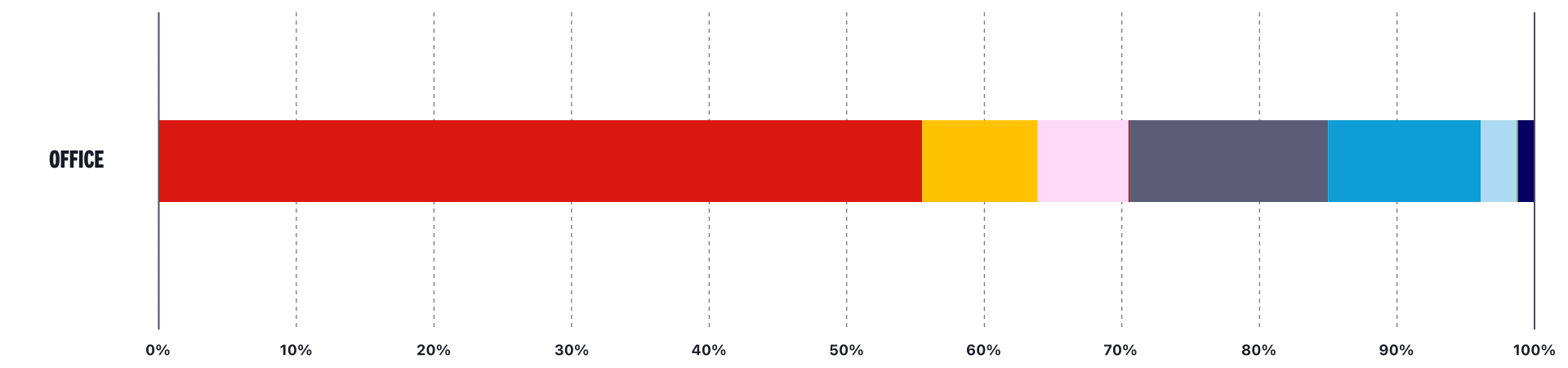
In most cases, heating, cooling, and ventilation (HVAC) systems are the dominant energy consumers – making them a key focus for efficiency upgrades. Other major contributors include hot water systems, lighting, plug-in equipment, and building services such as lifts.

How is energy used in buildings?

ELECTRICITY

GAS

ELECTRICITY

GAS

ELECTRICITY

GAS

ELECTRICITY

GAS

Tap here to Select Building Type
OFFICE
RETAIL
INDUSTRIAL
ALL
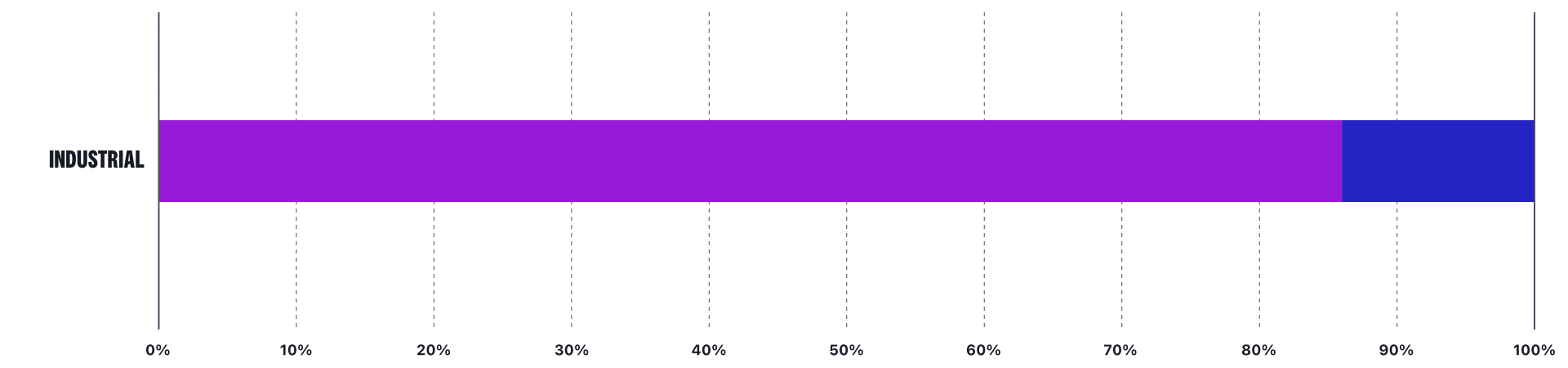
On average, electricity accounts for approximately 85% of energy use in commercial buildings, with gas making up the remaining 15%. 8
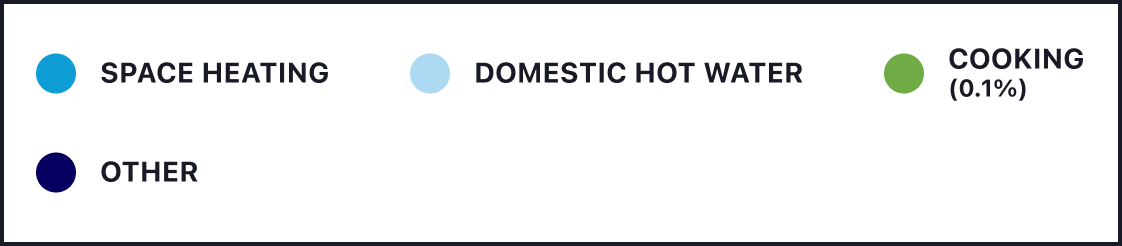
Victoria and New South Wales account for the majority of gas consumption in the commercial sector 9 — particularly for space heating, commercial kitchens, and hot water systems.
The shift from gas to fully-electric buildings – driven by technology and evolving government policies – is becoming an increasingly relevant consideration for building owners.

San Patella, National Facilities Manager at Patella Group, and Heather Bolt, ESG Property Sector Lead at Westpac, discuss the comprehensive retrofit undertaken at Woodridge Place, QLD, which significantly improved the building’s NABERS Energy rating from 0.5 to 5.5 stars.

Let us know
what you think.